New York’s Generational Tobacco Ban, FDA Talk and Tariffs: The Policy Stories Cigar Lovers Should Know
Most cigar news is about what’s new in the humidor. This one is about who gets to have a humidor at all. A bill in New York, a federal regulatory conference in Washington, and this year’s tariff shake-up are three of the policy stories the premium cigar industry is watching closely. Here’s where each one actually stands, based on the bill text and what the industry’s two big advocacy groups have published.
New York’s A11509: a ban by birth year
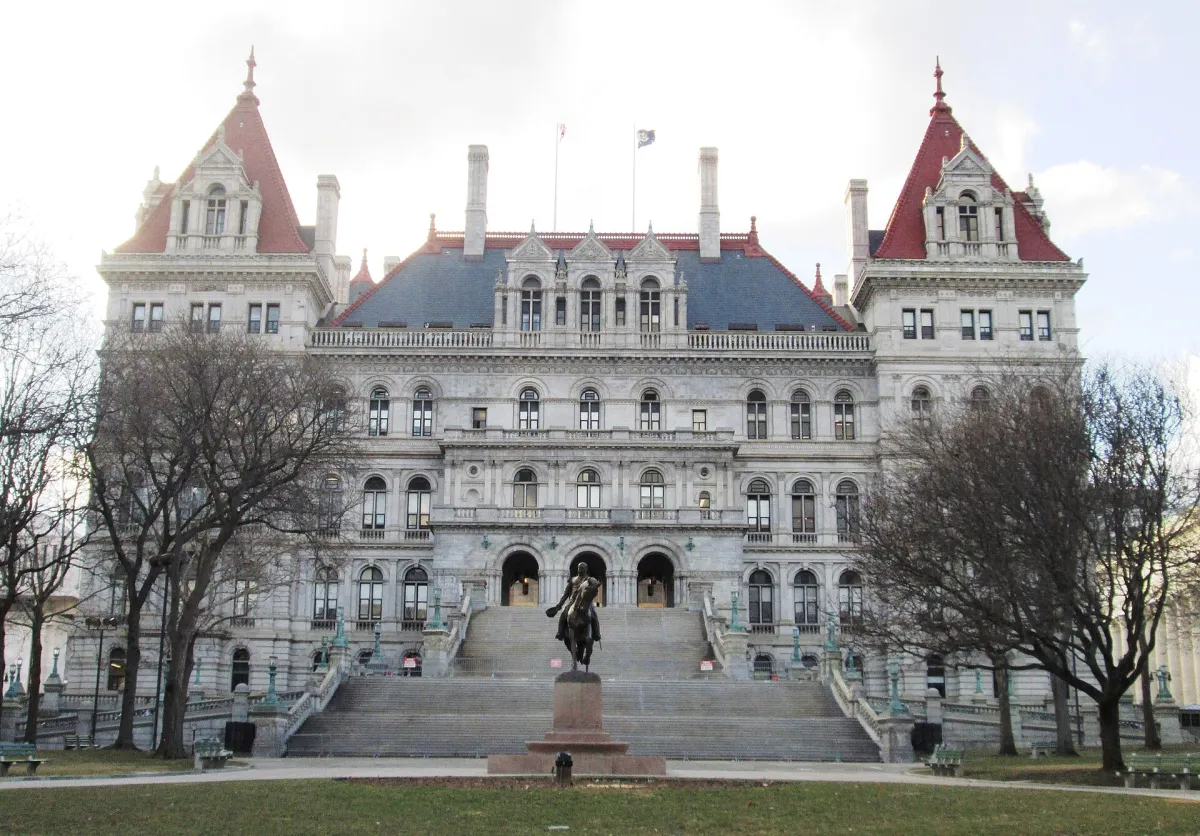
New York Assembly Bill A11509, sponsored by Assemblywoman Amy Paulin (D-88) and filed through the Assembly Rules Committee, would restrict the sale of tobacco and vapor products to anyone born after December 31, 2007. That date matters. Instead of raising the legal age again, the bill draws a permanent line by birth year. Anyone born on or after January 1, 2008 could never legally buy the covered products in New York, no matter how old they get.
The covered list is broad. The Assembly’s bill memo lists tobacco products, herbal cigarettes, liquid nicotine, shisha, electronic cigarettes, smoking paraphernalia, bidis and gutka. The bill would also end tobacco vending machines. It makes no exception for premium handmade cigars, and, as written, it would take effect January 1, 2028.
Where it stands now: the Assembly record shows one action. The bill was referred to the Health Committee on May 28, 2026, and nothing has happened since. It has no co-sponsors and no “same as” companion bill in the state Senate. The Legislature’s 2026 session ended in June. So this is a proposal sitting in committee, not a law and not a bill on the move.
What PCA and CRA are saying
The Premium Cigar Association calls the bill a “Nicotine Free Generation” proposal and puts it bluntly: “This modern attempt at prohibition takes a one-size-fits-all approach that ignores clear differences among tobacco products and unfairly sweeps premium cigars, a handcrafted product enjoyed responsibly by adults.” PCA’s page makes three arguments. Not all tobacco is the same, prohibition doesn’t work, and adults should keep their choices. It asks New Yorkers to contact their state Assemblymember and state Senator and urge them to oppose A11509.
Cigar Rights of America raises the same point about product categories. CRA notes that the bill “makes no distinction between premium cigars and other tobacco or nicotine products.” CRA is also candid about the bill’s odds: “While the bill is unlikely to advance this year, its introduction is nonetheless significant.” The group described A11509 as one that “appears to be more of a marker bill than a serious legislative vehicle for the current session.” CRA’s concern is what comes next. New York ideas tend to spread around the Northeast, similar proposals have appeared in Hawaii, Indiana, Tennessee and Massachusetts, and CRA expects the idea could come back in the 2027 session. Cigar Coop reported that both groups issued grassroots alerts.
Washington: CRA at the FDLI conference
The Food and Drug Law Institute held its 2026 Tobacco and Nicotine Products Regulation and Policy Conference on October 6–7 in Washington, both in person and online. Bret Koplow, Director of the FDA’s Center for Tobacco Products, gave the opening keynote. Other speakers came from the FDA, public health groups, universities, law firms and manufacturers.
No premium cigar group was on the speaker list, but CRA attended and reported back. By CRA’s account, most of the discussion was about e-cigarettes and nicotine pouches. CRA still flagged a few remarks. On one panel, two participants called for measures aimed at combustible products, and both said they wouldn’t grandfather any products if the Tobacco Control Act were rewritten. A third panelist complained that the law prohibits FDA from banning entire classes of products. Koplow also said FDA is watching how products are marketed, and he named high-value rewards programs, though he was talking about other product categories. CRA wrote that “the FDA does not presently show any sign of reregulating premium cigars,” but it could still try through new rulemaking. That’s because Judge Amit P. Mehta’s April 15, 2026 final ruling sent any changes to the premium cigar definition through formal rulemaking.
Tariffs: already here, not just possible
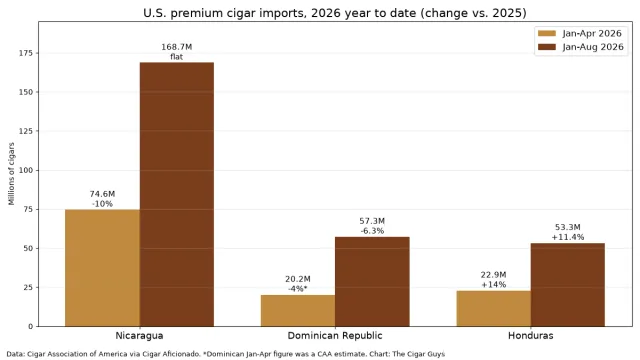
Tariffs aren’t a future threat for premium cigars. They’re already being paid. According to PCA’s summary and CRA’s report, the Supreme Court struck down the IEEPA “reciprocal” tariffs on February 20, 2026. A temporary 10% Section 122 tariff replaced them. Then on July 24, 2026, new Section 301 tariffs took effect. Under those, premium cigars from the Dominican Republic and Nicaragua now face 12.5%, while Honduras and Mexico stay at 10%. halfwheel has a full country-by-country table. PCA also notes that separate Section 301 “excess capacity” investigations are still pending with no rates set, so this story isn’t finished either.
The Cigar Guys take
We talk about cigars as an adult pleasure, the kind you take your time with: a long evening, a good conversation, a well-made smoke. That’s the core of the argument PCA and CRA keep making. A hand-rolled cigar that an adult enjoys now and then isn’t the same thing as a vape cartridge, and policy works better when it recognizes that. Whatever your politics, it helps to know the facts. A11509 is stalled, FDA isn’t currently moving on premium cigars, and the tariffs are real and already priced into the supply chain. If you want to weigh in, PCA’s A11509 page and CRA both explain how to contact legislators.
For more on the groups behind this work, see our look at the Premium Cigar Association in 2025. Our conversation with Mike Wilson of Hooten Young also gets into where the industry is headed.