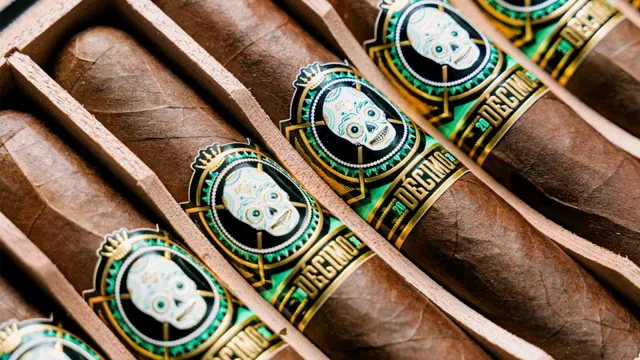
The cigar release used to feel like a simple transaction: a shop got something new, you stopped in, and you decided whether to try it. With some limited releases, the decision now arrives before the cigars do. A retailer posts an offer, invites customers to reserve a share of a shipment, and the chase begins before anyone has seen the boxes in person.
That is the shift Alex Gonzalez of The Cigar Guys is talking about in his post on X. His four-step “pre-order era” sequence is straightforward: shops receive allocations, arrival dates remain approximate, retailers open customer pre-orders, and boxes can be spoken for before the shipment lands.
The important part is that third step. This is not merely a manufacturer taking wholesale orders from tobacconists. It is a retailer putting the pre-order option in front of the person who will actually smoke the cigar.
First example: Coco Cigars’ Meerapfel Project 18 pre-order
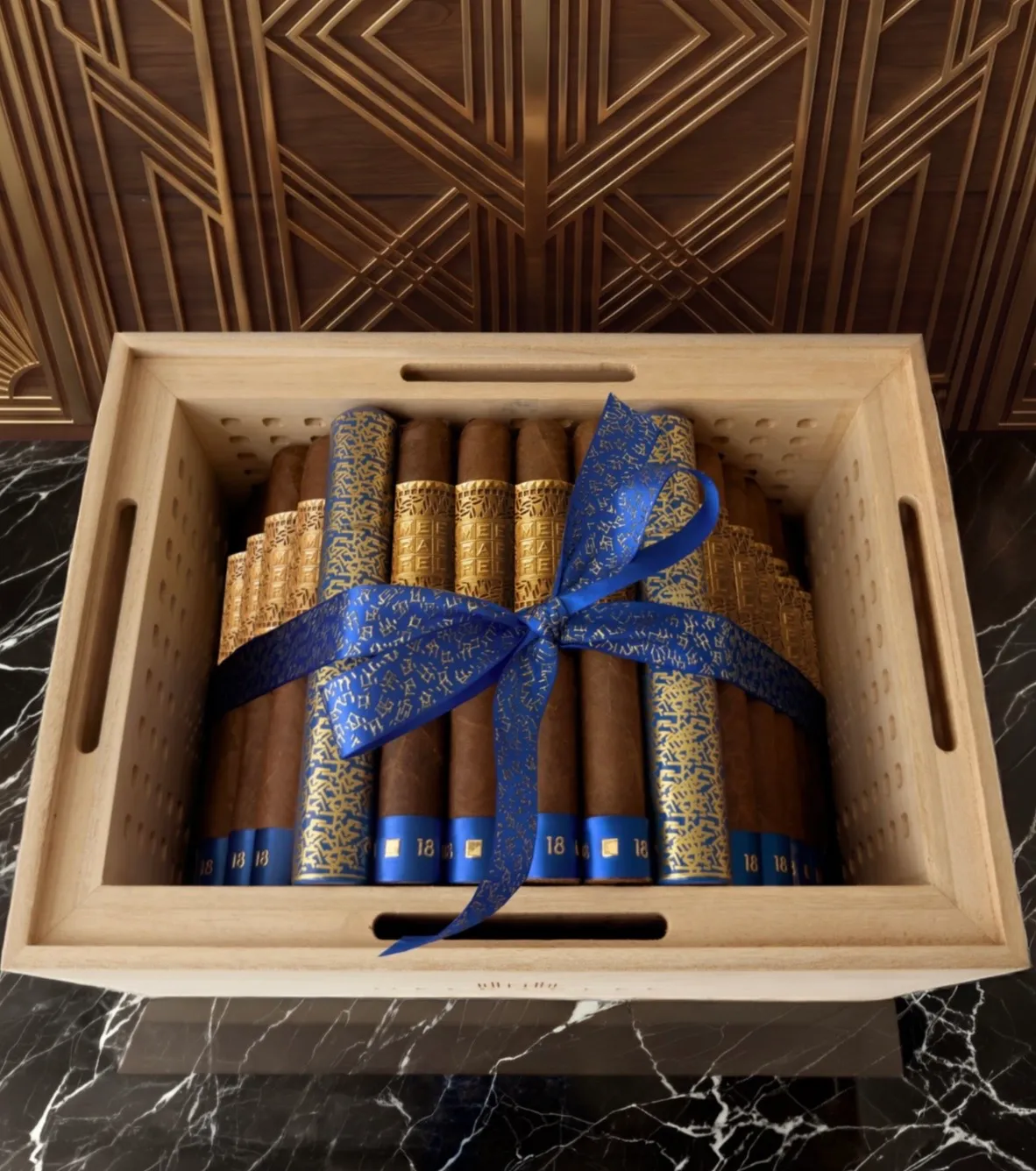
A clear customer-facing case landed on November 5, 2026, when Coco Cigars posted on Instagram introducing Maison Meerapfel’s Project 18 and telling followers they can pre-order it now through the shop. The caption describes Project 18 as one of Meerapfel’s most ambitious creations to date: a 6×50 Toro built around an authentic vintage Meerapfel Cameroon wrapper matured for decades, presented in a chest that holds 99 cigars, two gold-plated tubes, and a hand-finished lithograph that serves as its certificate of authenticity. Buyers are told to contact the Coco team for availability and reservation details.
That Instagram post is the customer-facing offer. When we checked, cococigars.com did not show a live Project 18 product listing, and the IG caption did not list a price or a firm ship date. The pre-order path is “contact our team,” not a self-serve cart alone—still a retailer putting reservation access in front of consumers before the cigars are sitting on a shelf for casual browsing.
Industry coverage matches the scarcity math behind that urgency. Cigar Dojo’s September 2026 announcement reports 180 chests of 99 cigars each—17,820 cigars total—in the 6×50 format, with vintage Meerapfel Cameroon wrapper leaf, Q4 2026 shipping, and allocation through participating tobacconists. U.S. MSRP is listed there at $99 per cigar, or $9,801 per chest. Retailer storefronts are already treating the release as a pre-order as well: Cigar Hustler’s Project 18 page shows a box option labeled “Preorder — ships November.” Those listings reinforce the pattern; Coco’s Instagram post is the first example here because it is an explicit shop-to-customer reservation invite tied to the same limited chest program.
Second example: Oak Glen’s Viaje Full Moon pre-order pages
Oak Glen Tobacconist supplies another fall 2026 case with product pages built around the word “PRE ORDER.” Its Viaje Full Moon 13th Anniversary Maduro listing includes “PRE ORDER” in the title and describes the offer as a pre-order. The Full Moon 13th Anniversary Limited Edition Natural page does the same.
Both are listed as 6×60 cigars, with consumer purchase options including five-packs, ten-packs and boxes. This is not an industry-only ordering deadline hidden behind a distributor account. It is a public-facing shopping page organized around the customer reserving a specific release.
Oak Glen’s copy quotes Viaje describing the anniversary as “One anniversary. One production. Never to return.” That language helps explain the urgency surrounding these pages: the offer combines a recognizable annual release with an explicitly finite anniversary edition. For a customer following Full Moon, waiting until the boxes are physically on a shelf may feel like taking a chance.

There is an important availability caveat. When we checked the pages on November 5, 2026, the displayed purchase variants were marked out of stock, even though the titles still said “PRE ORDER.” The pages document the retailer-to-customer pre-order format; they are not a promise that reservations remain open today. Nor do they reveal how many boxes were reserved before delivery or establish that every box sold ahead of arrival.
That distinction matters. A pre-order listing is evidence of an offer, not a complete sales ledger. It supports Alex’s point about how retailers present limited releases without proving every stage of the supply chain for these particular cigars.
Why the order of events changes the experience
An allocation and a customer pre-order are not interchangeable. An allocation is the supply assigned to a shop. A pre-order is the customer-facing arrangement to reserve a purchase before it is ready for delivery. One can exist without the other.
Alex’s thesis is about what happens when the two connect. Limited supply reaches the retailer’s planning process, the shop offers customers an early reservation, and the release starts selling as an expectation rather than as inventory someone can inspect in person. The conversation moves from “What came in?” to “Can I still get on it?”
That can be convenient for regular customers and useful for retailers managing demand. It can also make an estimated arrival window feel more definite than it really is. A product announcement, a retailer’s incoming shipment and a customer’s delivery date are three different milestones.
What customers should clarify
Before reserving a limited release, ask whether the offer is backed by a confirmed allocation or is simply a waitlist. Find out when payment is collected, what happens if quantities are reduced, and whether the stated arrival window is an estimate. Cancellation and refund terms should be clear before a customer commits—not discovered after a delay.
The same applies to a page or social post that remains online after options sell out. “PRE ORDER” in a title or caption does not automatically mean there is still inventory to reserve. Check the actual availability, ask the retailer about fulfillment, and treat social “contact us” language as the start of a conversation rather than a guarantee.
Scarcity is not a tasting note
The point is not that pre-orders are inherently bad, or that every premium cigar now sells this way. The Coco Cigars and Oak Glen examples show something narrower and more useful: retailers are making customer pre-orders part of the public release experience, not just handling allocations behind the scenes.
That is the pre-order era Alex means. The chase can begin before the boxes arrive. Know what you are reserving, understand the terms, and remember that limited production does not tell you whether a cigar will suit your palate. There will still be good cigars to enjoy when the next countdown ends.
Featured photo: Selected Tobacco’s Madrid Atabey lounge interior. Photo: United Cigars, via The Cigar Guys media library. Illustrative setting, not a retailer pre-order location.