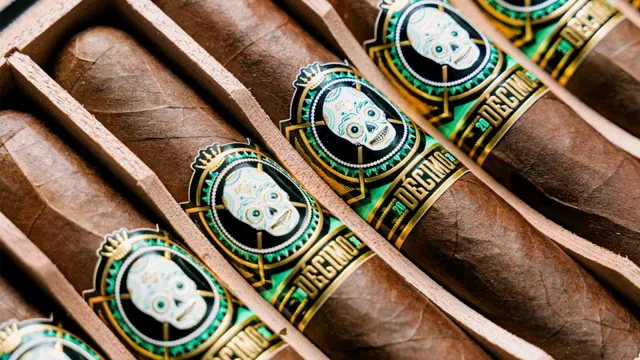
Your favorite cigar might wear an Ecuadorian wrapper even if the box says it was made in Nicaragua, Honduras or the Dominican Republic. That is why a bad harvest in Ecuador matters well beyond the farm gate. But a crop warning is not the same thing as an empty shelf at your local lounge.
The immediate news is serious: A.S.P. Enterprises has warned customers about a substantial shortfall in its Ecuadorian tobacco. For smokers, the useful questions are which cigars might eventually be affected, how manufacturers could respond and when any of that might reach a humidor. The answers require patience—not panic buying.
What A.S.P. actually reported
In Charlie Minato’s November 4, 2026 reporting for halfwheel, A.S.P. president and CEO David Perez said clients had been told on Monday, November 2, to expect 25–35 percent of the Ecuadorian tobacco they ordered. Perez attributed the damage to excessive rainfall associated with what he described as a Super El Niño.
That percentage measures anticipated order fulfillment from one supplier. It is not a national crop-loss percentage, a count of cigars disappearing from stores or proof that every Ecuadorian grower has suffered the same damage.
Perez also told halfwheel that roughly 40 percent of A.S.P.’s crop was still in the field at the time of reporting, with further losses possible unless conditions improved. That is a dated snapshot, not a fresh measurement of what remains today. The final outcome was not settled by that report.
A November 6 Tobacco Reporter account repeated the warning and credited halfwheel. It was follow-on coverage, not an independent national harvest survey. Our account relies on halfwheel’s interview and description of the client notice; we have not independently obtained that notice or verified the weather attribution.
Why wrapper deserves its own conversation
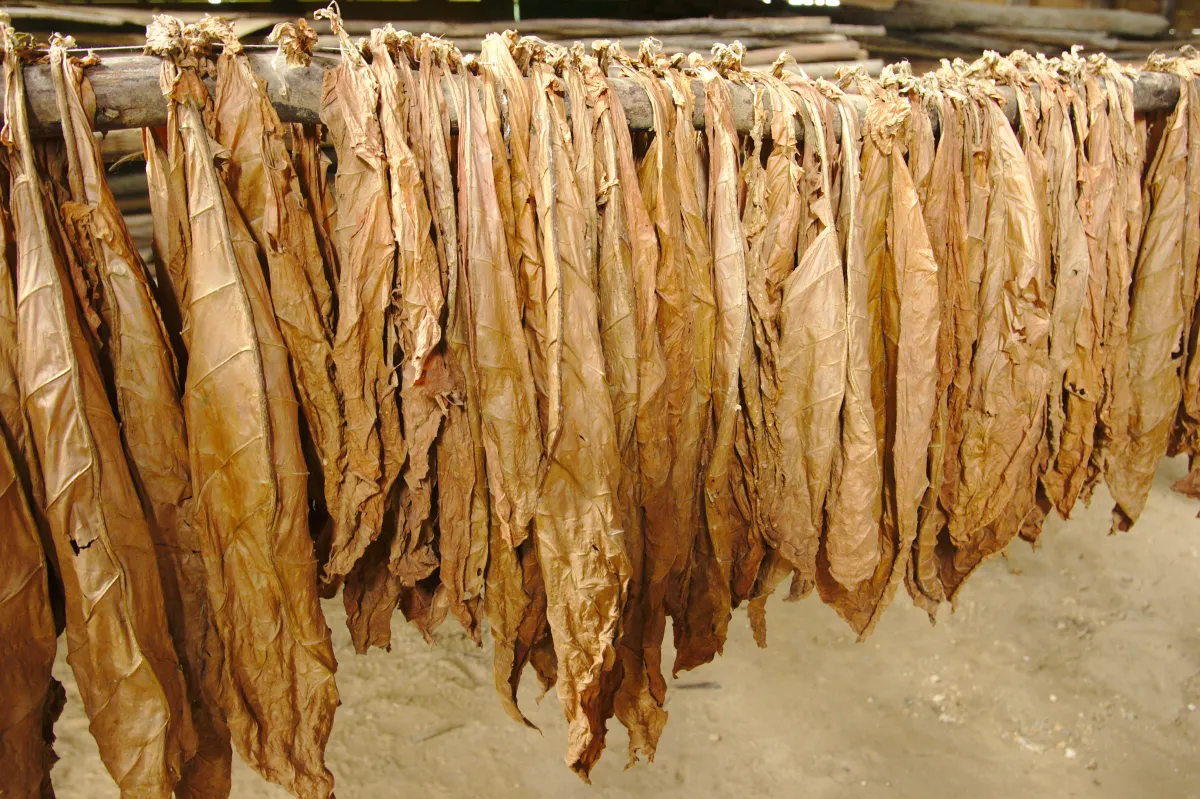
Wrapper is the outer leaf you see, touch and light. It contributes to the smoking experience, but it also has to survive selection for appearance and physical condition. Tobacco that grows in a field is not automatically usable as a finished cigar’s outer layer.
Minato explained that excessive rain can cause mold or spotting, while associated wind can physically damage leaves. Those defects matter especially for wrapper. A farm can therefore lose usable wrapper without every plant simply vanishing from the ground.
Ecuador supplies Connecticut-seed, Cuban-seed and Sumatra-seed tobaccos used across premium cigars. To illustrate its reach, halfwheel found that about one-third of the new cigars introduced at the April 2026 PCA trade show were described as using Ecuadorian wrappers. That is a sample of new introductions—not one-third of all cigars sold, and not a list of A.S.P. customers facing shortages.
The factory clock is not the smoker’s clock
The timeline is the most important distinction. Halfwheel reported that factories would begin encountering reduced wrapper supply next year—2027. But freshly harvested tobacco does not go straight from a wet field onto a cigar in your retailer’s humidor. Processing and aging stand between those stages.
The same report said consumers should not see the effects for at least a few more years. Treat that as the reporting’s broad expectation, not a guaranteed date for every brand. Existing leaf inventories, production plans and finished-cigars stock can make individual timelines different.
There is already a human cost upstream. Perez told halfwheel that workers had been sent home early because there was no tobacco for them to work. The delay before smokers notice does not make the farm-level disruption less real.
Could availability, blends or prices change?
Availability: a manufacturer short of a particular wrapper could prioritize certain sizes, produce fewer cigars or delay a release. Those are possible responses to a supply problem, not product cancellations confirmed by this reporting. An Ecuadorian wrapper listed on a blend sheet does not establish that its maker buys from A.S.P.
Blends: another leaf is not necessarily a drop-in replacement. A manufacturer considering a different wrapper would have to evaluate how it performs with the rest of the cigar. A revised blend, alternate release or delayed production are possibilities; none should be presented as an announced change without the brand’s confirmation.
Prices: tighter usable supply could create cost pressure, but that does not establish a retail increase or a percentage. Halfwheel reported Perez’s warning that some factories have reduced wrapper inventories in recent years amid rising prices. We do not have a verified, brand-specific price announcement tied to this crop in the reporting reviewed here.
The Cigar Guys’ take: watch announcements, not rumors
Keep buying for your normal smoking habits. Ask your tobacconist about confirmed allocations and ask brands about any documented blend changes. Do not turn an out-of-stock listing into evidence of this harvest’s impact: a single missing box cannot tell you why it is unavailable.
The story to follow is the chain from A.S.P.’s harvest to usable leaf, then factory decisions, then finished cigars. We have a serious supplier warning and an explanation of why wrapper is vulnerable. We do not yet have a nationwide loss tally, an industrywide retail shortage or a price forecast. Your next cigar does not need to become a supply-chain bet.