Are Infused and Sweet-Tip Cigars Still Premium? What the FDA Rules Say
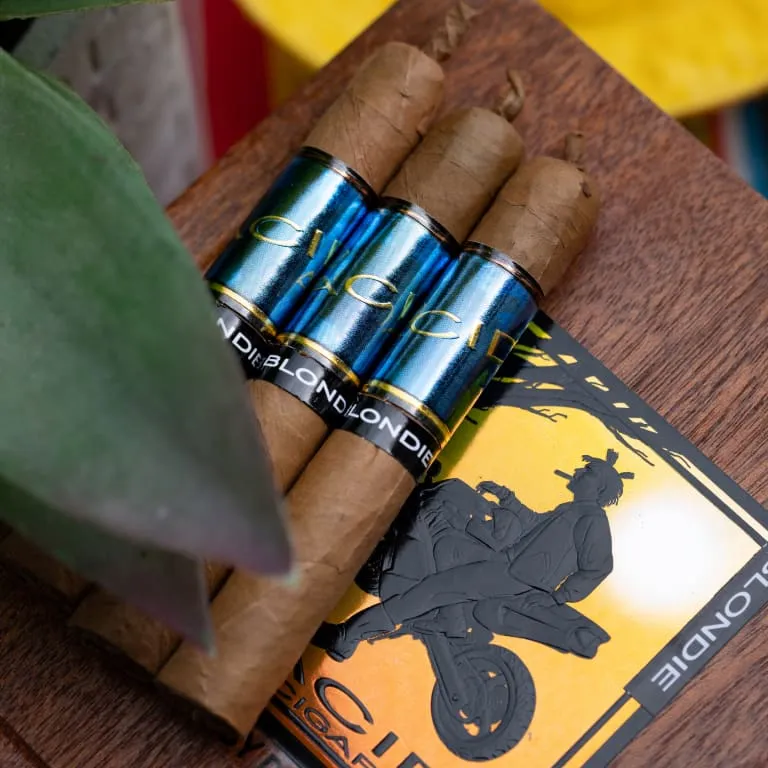
An infused cigar can be premium in craftsmanship without qualifying for the court-defined “premium cigar” exemption from FDA’s Deeming Rule. A non-tobacco characterizing flavor disqualifies it. Sweet-tip cigars require a closer look at the ingredients: the operative definition contains no express sweetened-cap exception.
That is the short answer. The longer answer matters, because “premium” means something different at the lounge than it does in a federal court order.
Nobody’s favorite cigar suddenly became poorly made because of a legal definition. But handmade construction alone does not earn this particular regulatory exemption.
What actually happened in court?
On April 15, 2026, Judge Amit P. Mehta of the U.S. District Court for the District of Columbia entered a final order in Cigar Association of America v. FDA, No. 16-cv-01460, vacating the Deeming Rule as applied to qualifying premium cigars.
This was not the first ruling providing that relief. The district court initially vacated the rule for this category on August 9, 2023. The D.C. Circuit largely affirmed on January 24, 2025, but sent the definition back for briefing. After considering those arguments, Mehta retained the same eight-part test.
For our November 7, 2026 review, FDA’s fiscal-year 2026 fourth-quarter industry notice expressly recognizes the April order and repeats that definition. This is meaningful regulatory relief—not a permanent congressional exemption. The appeals court expressly left room for future FDA rulemaking.
The eight requirements for an exempt premium cigar
According to the court’s order, a qualifying cigar must:
- Be wrapped in whole tobacco leaf.
- Contain a 100 percent leaf tobacco binder.
- Contain at least 50 percent long-filler tobacco, measured by filler weight.
- Be handmade or hand rolled.
- Have no filter, nontobacco tip, or nontobacco mouthpiece.
- Have no characterizing flavor other than tobacco.
- Contain only tobacco, water, and vegetable gum, with no other ingredients or additives.
- Weigh more than six pounds per 1,000 units.
All eight apply. Notice what is not there: a minimum retail price, a luxury band, or a requirement that 100 percent of the filler be long filler. An expensive cigar can miss the definition; a reasonably priced cigar can meet it.
Are infused cigars still premium?
In the everyday sense, an infused cigar can involve skilled rollers, carefully selected tobacco and excellent construction. Calling that craftsmanship premium is not the same as claiming the federal exemption.
Under the court’s test, an infusion that gives a cigar a characterizing flavor other than tobacco puts it outside the exempt category. Added ingredients can independently create a problem under requirement seven.
There is no “natural flavoring” loophole in the wording. The test does not prohibit only artificial flavors: it prohibits a characterizing flavor other than tobacco and separately limits the ingredients. A naturally sourced flavoring does not automatically pass where an artificial one would fail.
Nor does the marketing word “infused” resolve every manufacturing question. You need to know what was added and what the resulting product is—not just what the box calls it.
What about sweet-tip cigars?
Here is where the conversation needs more precision.
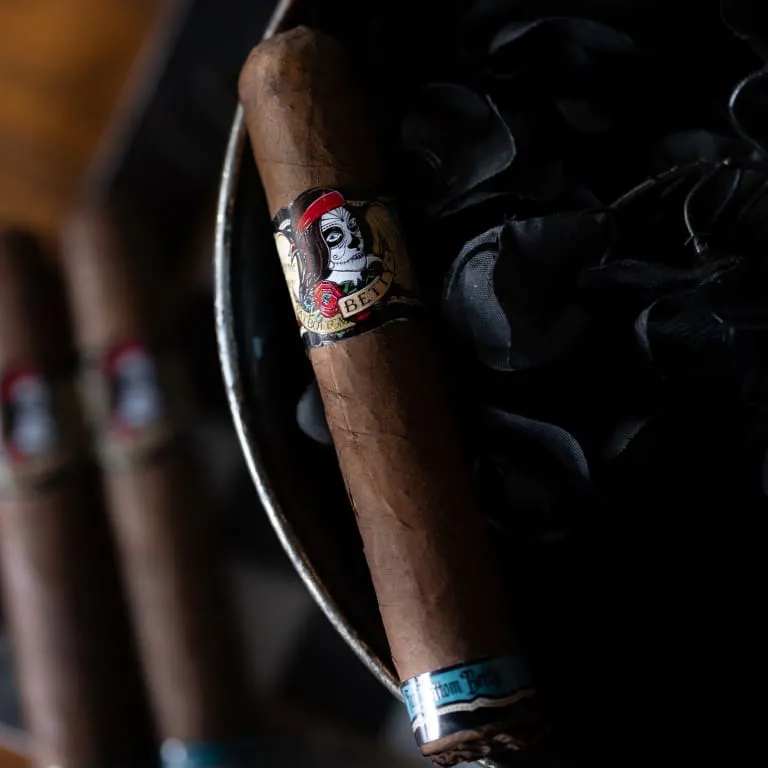
A sweetened tobacco cap is not automatically the same physical thing as a separate plastic or wooden mouthpiece. It would be sloppy to say every sweet cap violates the “nontobacco tip” requirement simply because we call it a tip.
The ingredient restriction is the clearer issue. If a manufacturer applies sugar, another sweetener, or a coating outside tobacco, water and vegetable gum, that formulation does not satisfy requirement seven—even if the treatment touches only the cap and the smoke otherwise tastes like tobacco.
Neither the April order nor FDA’s reproduced definition includes an express exception for tip sweetening. “Only the tip is sweet” is therefore not, by itself, a safe harbor.
Still, the order does not deliver a product-by-product ruling or settle every question about when sweetness becomes a “characterizing flavor.” Without the actual formulation, we should not declare every cigar advertised as “sweet-tip” exempt—or disqualified for exactly the same reason. Manufacturers need documentation and product-specific advice.
Naturally sweet tobacco is a different conversation
Tasting sweetness in a wrapper or finding cocoa, dried-fruit or honey-like notes in a blend does not prove someone added flavoring.
Tobacco selection, fermentation and aging can produce complex flavors. The National Academies’ premium-cigar review distinguishes those tobacco-derived tastes from added flavors.
A naturally sweet tobacco profile is not the same as dipping a cap in sweetener. Equally, a tasting note is not an ingredient list.
What does the exemption actually remove?
Qualifying cigars are outside the Deeming Rule’s framework, including its premarket-review obligations. For cigars remaining regulated, federal law provides different premarket pathways; it is inaccurate to say every cigar must undergo the same PMTA or identical tests.
The “graphic health warnings” claim also needs correcting. FDA’s cigar warning provisions concerned text warnings, and FDA explains that those cigar and pipe-tobacco requirements were separately vacated in September 2020. That is not a new April 2026 victory over cigarette-style graphic labels.
The 2023 opinion also described harmful-constituent testing as a potential future burden, not an across-the-board premium-cigar testing program already in effect.
None of this means flavored cigars are categorically banned, or that qualifying cigars escape every law. Applicable state and local age-of-sale rules, flavor restrictions, licensing and smoking laws still matter. Federal excise taxes are a separate system. An exemption is not a safety endorsement, either: cigars carry serious health risks.
The Cigar Guys’ verdict
Enjoyment, craftsmanship and regulatory classification are three different questions.
Infused cigars with non-tobacco characterizing flavors do not qualify for this exemption. Sweetened caps have no express carve-out, and added sweeteners outside the permitted ingredients do not fit the test. Naturally sweet tobacco is not automatically flavored tobacco.
The court drew a regulatory boundary—not a ranking of what belongs in your humidor.
General information, not legal advice. Regulatory treatment depends on the product and applicable law.