Cigar Canoeing, Tunneling and Tight Draws: How to Fix the Most Common Burn Problems
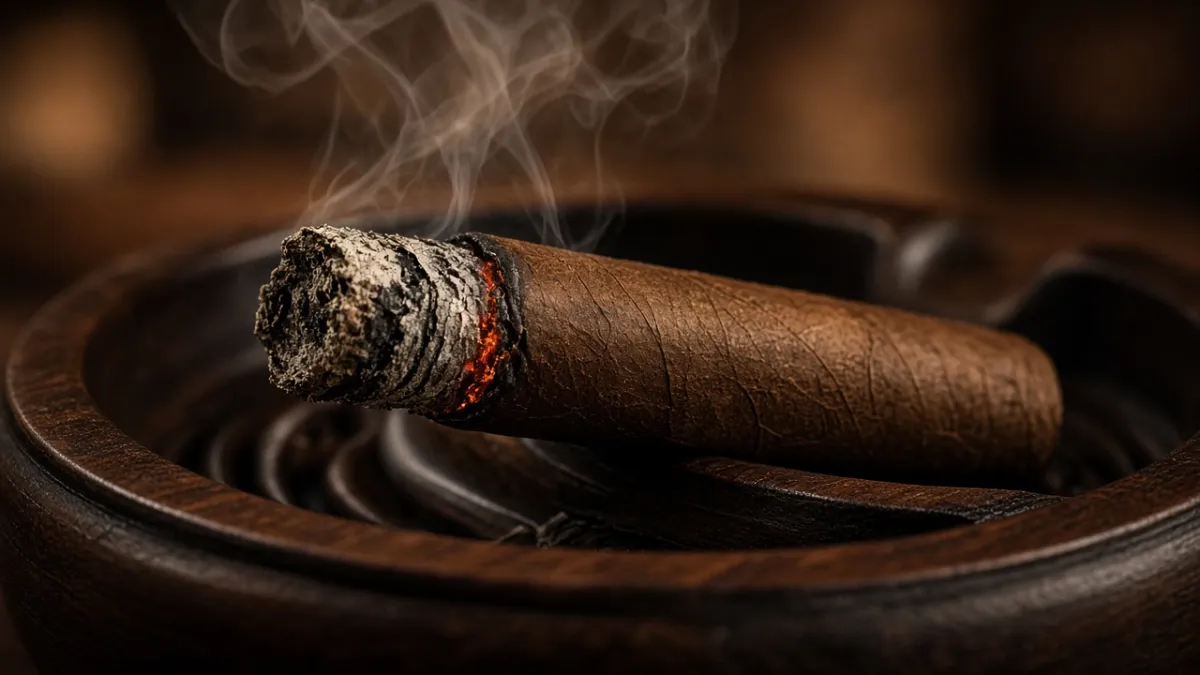
Every cigar smoker knows the moment. You’re a third of the way in, the conversation is good, and you glance down to find one side of your cigar burning an inch ahead of the other. Or you take a pull and get almost nothing. Or the center has burned into a little crater while the wrapper just sits there.
Premium cigars are rolled by hand, so the occasional misbehaving smoke comes with the territory. The good news is that most burn and draw problems can be fixed, or at least managed, with a few simple moves. Here’s how to read what your cigar is telling you and what to do about it.
Start With the Light
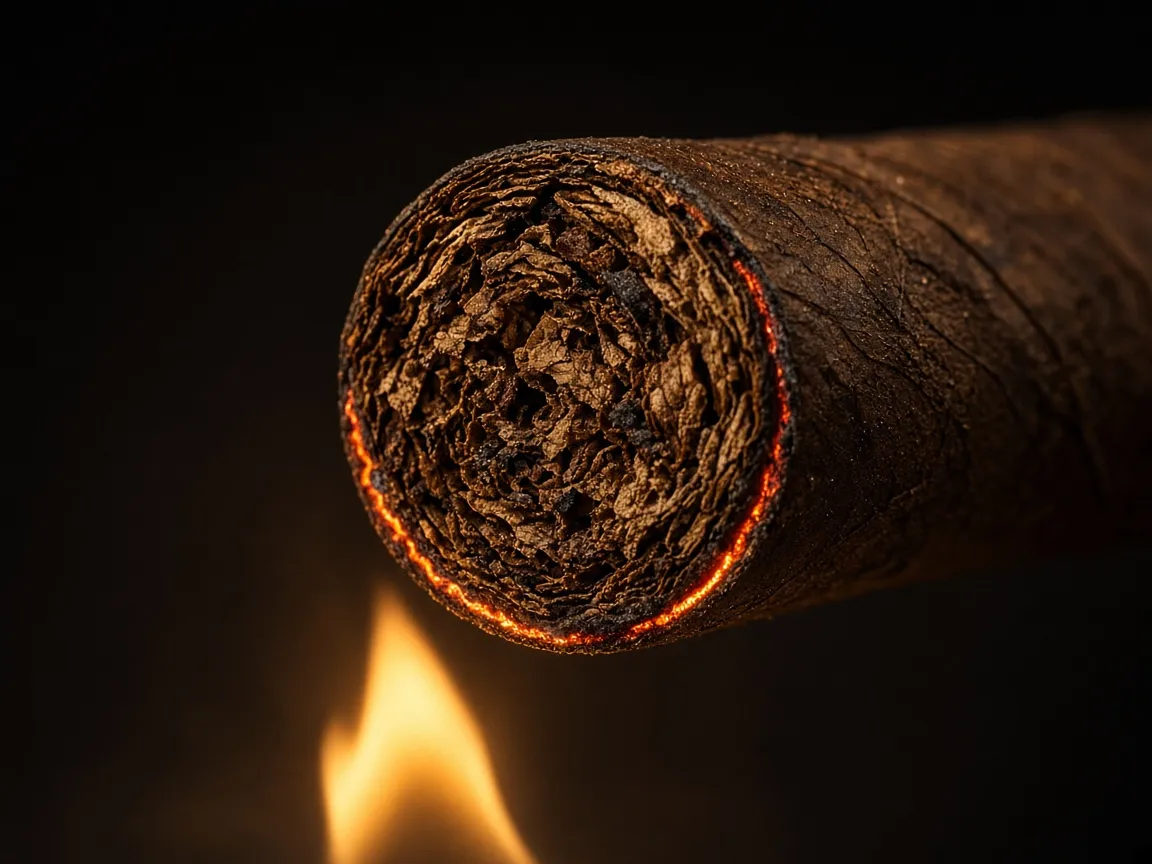
Most burn problems start before the first puff. Cigar Aficionado compares lighting a cigar to roasting a marshmallow: keep the foot just above the flame instead of in it, rotate the cigar so every side heats evenly, and take your time until a glowing ring forms all the way around. Putting the tobacco directly in the flame carbonizes it and hurts the flavor.
Cigar Aficionado also says the best way to make sure a cigar never burns unevenly is to light it properly from the start and toast the foot completely. If you want a refresher on tools, our piece on why you shouldn’t use a Zippo on cigars covers why the flame you use matters.
Canoeing: When One Side Runs Ahead
Canoeing is when one side of the cigar burns faster than the other, leaving a hollowed-out shape that looks like, well, a canoe. Cigar Advisor names a few usual causes: a roll where the filler and binder are looser on one side, a breeze or draft hitting the cigar, and an uneven toast at the start.
First, be patient. Cigar Aficionado’s advice is that even well-made cigars can burn unevenly at first, and if you just keep smoking, nine out of 10 will straighten out on their own, usually quickly.
If it doesn’t correct itself, touch it up. Cigar Aficionado suggests using a soft flame to gently touch up the side that isn’t burning, without scorching too much of the cigar, since that can add an unwanted charred note.
Fight the wind. Cigar Advisor recommends keeping your back to the wind outdoors, and slowly turning the cigar in your hand as you smoke when you can’t avoid a breeze.
The last resort is a cut. Cigar Advisor’s most drastic fix is to let the cigar go out, cut it about half an inch behind the short side of the burn with a sharp cutter, and relight it like a fresh cigar. It notes this can crack a dry wrapper, and may not be worth it if only a couple of inches remain.
Tunneling: When the Center Burns Down
Tunneling is the opposite of canoeing in a way. The center of the cigar burns faster than the outside, leaving the wrapper unburned around a cone-shaped ember. Cigar Advisor’s article on plugged cigars points out that it can happen after you push a draw poker through the middle of a cigar. Cigar Aficionado says something similar about piercing cutters: going in too deep can create a tunnel in the center that makes the cigar burn hot.
The fix is the same gentle touch-up you’d use for canoeing. Apply a soft flame to the unburned wrapper edge until it catches up with the filler, and resist the urge to blast the whole foot.
A Tight or Plugged Draw
A plugged cigar is one where you pull and barely get any smoke. There are several possible culprits, and it helps to check them in order.
- The cut. Holt’s says that taking a little more off the cap with a straight cutter can open up the draw considerably, especially on torpedoes and other cigars with a tapered head. It also notes that punch and V-cuts naturally create a more constricted draw. Our guide to straight, V and punch cuts goes deeper on choosing a cut.
- Humidity. Holt’s says a cigar that’s too moist won’t draw easily, and that anything over 70 percent relative humidity can be too high. Its fix is to let the cigar sit out of the humidor overnight or for a day before smoking it.
- The roll. Cigar Advisor suggests gently rolling the cigar between your thumb and fingers to find a knot or hard spot and carefully loosening it.
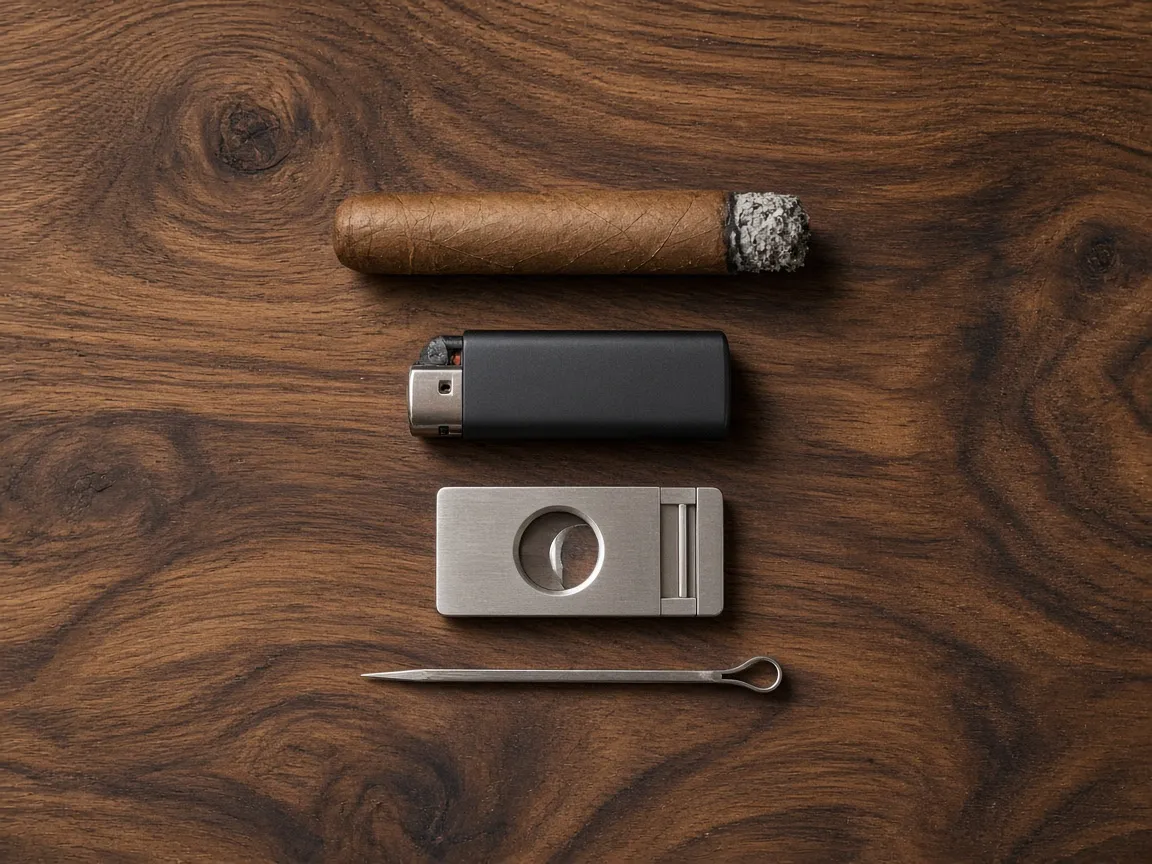
If none of that works, a draw poker can help. That’s a thin metal tool that you work through the center of the cigar. Cigar Advisor’s advice on using a draw poker is to use one less often than you might think, and never on an over-humidified cigar, since the problem there is wet tobacco and poking just fills the cigar with holes. If the hard spot is near the foot, it says you’re better off cutting the cigar down a bit and relighting. When you do use a poker, Cigar Advisor’s unplugging guide says to work slowly while turning it, because pushing too fast can tear the wrapper or poke through the side.
When Your Cigar Goes Out
It happens to everyone, usually when the conversation is better than you expected. Cigar Aficionado says relighting is fine if you do it soon after the cigar goes out, and a warm cigar should actually be easier to light than a fresh one. What it doesn’t recommend is relighting the next day, or even several hours later, which can bring out some truly unpleasant flavors.
If a cigar keeps going out over and over, Cigar Aficionado says you may simply have a badly rolled one. It’s an occasional problem with handmade cigars, and it suggests a good tobacconist should happily replace it if you bring it back to the shop where you bought it.
Prevention Starts in the Humidor
A lot of burn and draw trouble traces back to storage. Cigar Advisor notes that overloading a humidor restricts airflow and can leave cigars with uneven moisture, which can lead to canoeing. Its plugged-cigar guide also says over-humidified cigars swell and restrict airflow, and that if you run into plugged cigars often, lowering your humidor’s humidity a couple of points can help. Keeping conditions steady is the goal, and our winter humidor care guide walks through how to do that as the heat comes on.
The Cigar Guys Take
We’ve all had a cigar fight us. Most of the time it isn’t the cigar’s fault or yours. It’s a breeze, a rushed light or a humidor running a little wet. Give it a few puffs before you panic, touch it up gently when it needs it, and save the cutter for real emergencies.
And when a cigar is burning right, slow down and pay attention to what you’re tasting. Our flavor wheel guide can help you put words to it, and our look at how cigar size affects flavor explains why some vitolas are more forgiving than others.
Keep it lit, and we’ll see you on the next episode.
Sources: Cigar Aficionado: Cutting and Lighting · Cigar Aficionado: Let Your Canoe Straighten Itself · Cigar Aficionado: Is There a Method to Fix a Canoeing Cigar? · Cigar Advisor: Cigar Canoeing · Cigar Advisor: Dealing With Plugged Cigars · Cigar Advisor: How to Use a Draw Poker · Cigar Advisor: How to Unplug a Cigar · Holt’s: How to Fix a Hard Draw Cigar